
Learn to dive
That first breath on a regulator underwater (usually in a pool) really is something special! And once you're in the water with fish, crabs, and octopuses, you'll see why so many people get hooked. Below we take on the "is it too cold?" question, walk through how training works, and show you where to find a place to learn.
Aren't Northwest waters too cold?
They can be chilly, but you're not left to shiver. Many divers use drysuits, and some use optional suit heaters for extra comfort. Even a thick wetsuit isn't too bad if you do your open-water dives in a warmer month or warm up with a hot-water dunk and a towel between dives. Shops and instructors are used to keeping students comfortable. If you'd rather avoid the cold altogether,
many shops let you do pool and classroom time locally for you to complete your open-water dives at a tropical destination—but we recommend learning in cold water; it'll prep you for anything, and our local diving is quite great! If nothing else, you can spend your vacation purely on diving, not also on finishing your certification.
One step at a time
Courses are designed so you never do more than you're ready for. You'll do some reading and maybe online theory, then practice in a pool or sheltered water: breathing underwater, clearing your mask, buoyancy. Each skill is introduced, practiced, and repeated until it feels natural. Only after that do you move to open-water dives, and even those are shallow, supervised, and paced to your comfort. If something doesn't click, you get more practice—instructors are used to going at your speed.
Finding a place to train
Choose a dive shop near you—they run the courses and provide the pool, materials, and instructors. Picking a shop near you makes it easier to show up for pool sessions and finish your open-water checkouts without long drives. Many PNW shops do checkouts in lakes or protected bays, so you can certify close to home. Our regional hubs list dive shops by area so you can see who offers courses and how they're structured.
After you're certified
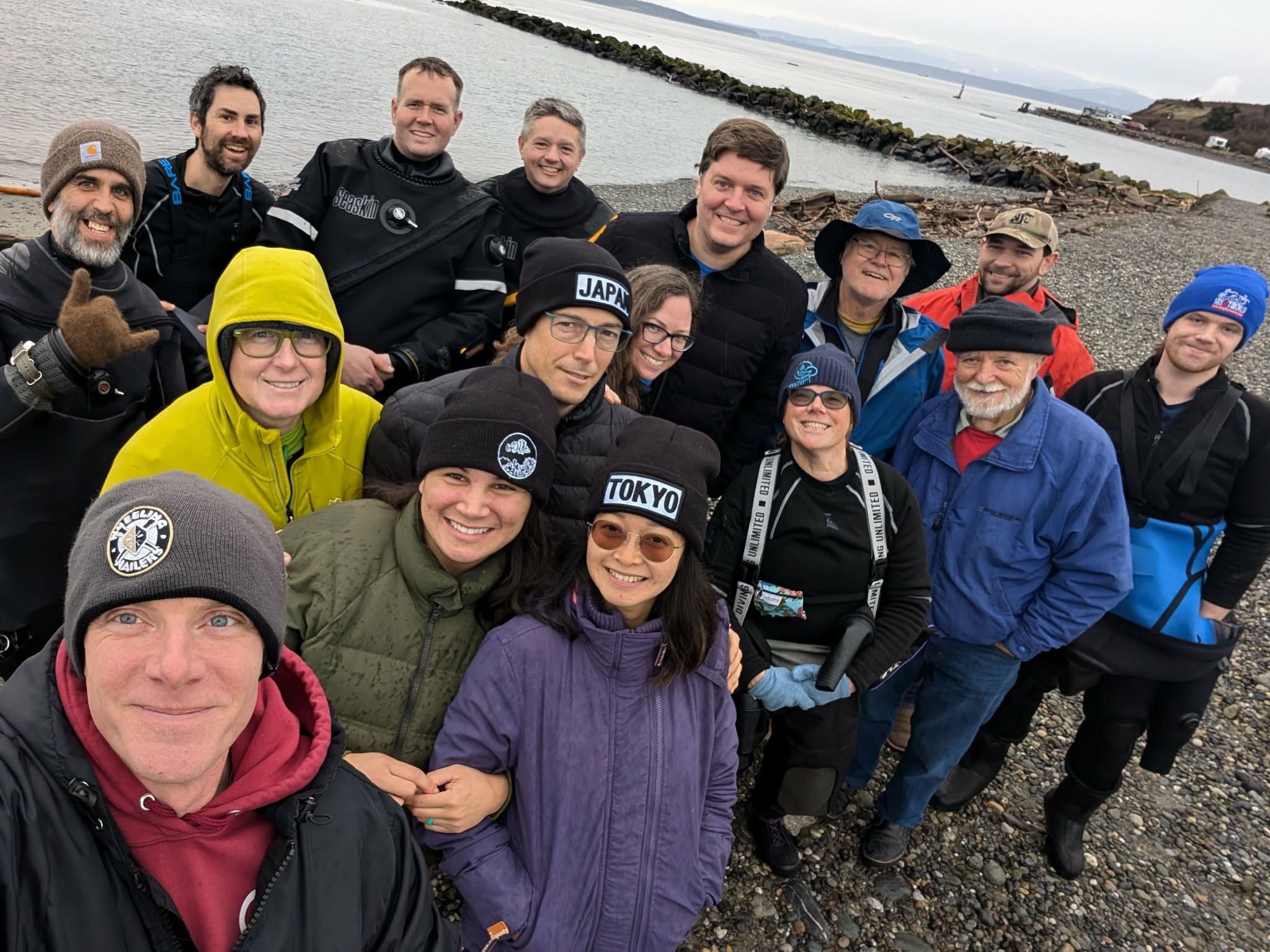
Your first dives after certification are still about building confidence. Diving with a club or on a charter gives you structure and company without pressure. Cold water in the PNW typically means you'll wear a drysuit which takes a bit more work to master; you'll get the hang of it by diving regularly. You can also keep learning with fun courses like advanced open water, underwater photography, nitrox, and more. Use this website's regional pages to find dive clubs and charters, and our dive site information pages to pick dives that match your experience. You'll get more comfortable with every dive.
Ready to see what's out there? Explore Northwest dive sites on this website.