A snowy 5-10 feet, <5 feet in the shallows (outgoing tide)
Skills dive. Nasty vis while across the channel it's great. I'd say at 50 to 60 the vis was in the 6 to 8 ft range. We did a shared air ascent on the line and every 10 ft we lost about a foot of vis. So like min gas strategy backwards for a vis calculation but no plus 1. There were quite a few sculpins out and one grunt on the bug.
Redondo usually doesn't have much current, however there can be a bursty current here known as the 'Redondo River' on large ebbs. Usually it is short lived, so hunkering down for a bit can let it pass. You can typically swim against it, but on a big ebb, you might find yourself doing the 'Redondo crawl' right in front of the MaST Center. It’s most prone to happen when there's an ebb of greater than 10 feet. If you're not comfortable in current, avoid these times; otherwise, leave some extra air if you're diving a big ebb here.
Navigation can be tricky here, so be sure to bring a compass. The bottle field and other parts of the site have bowls and misleading contours—just because you're going uphill doesn't mean you're heading home. Southeast typically takes you back toward the pier.
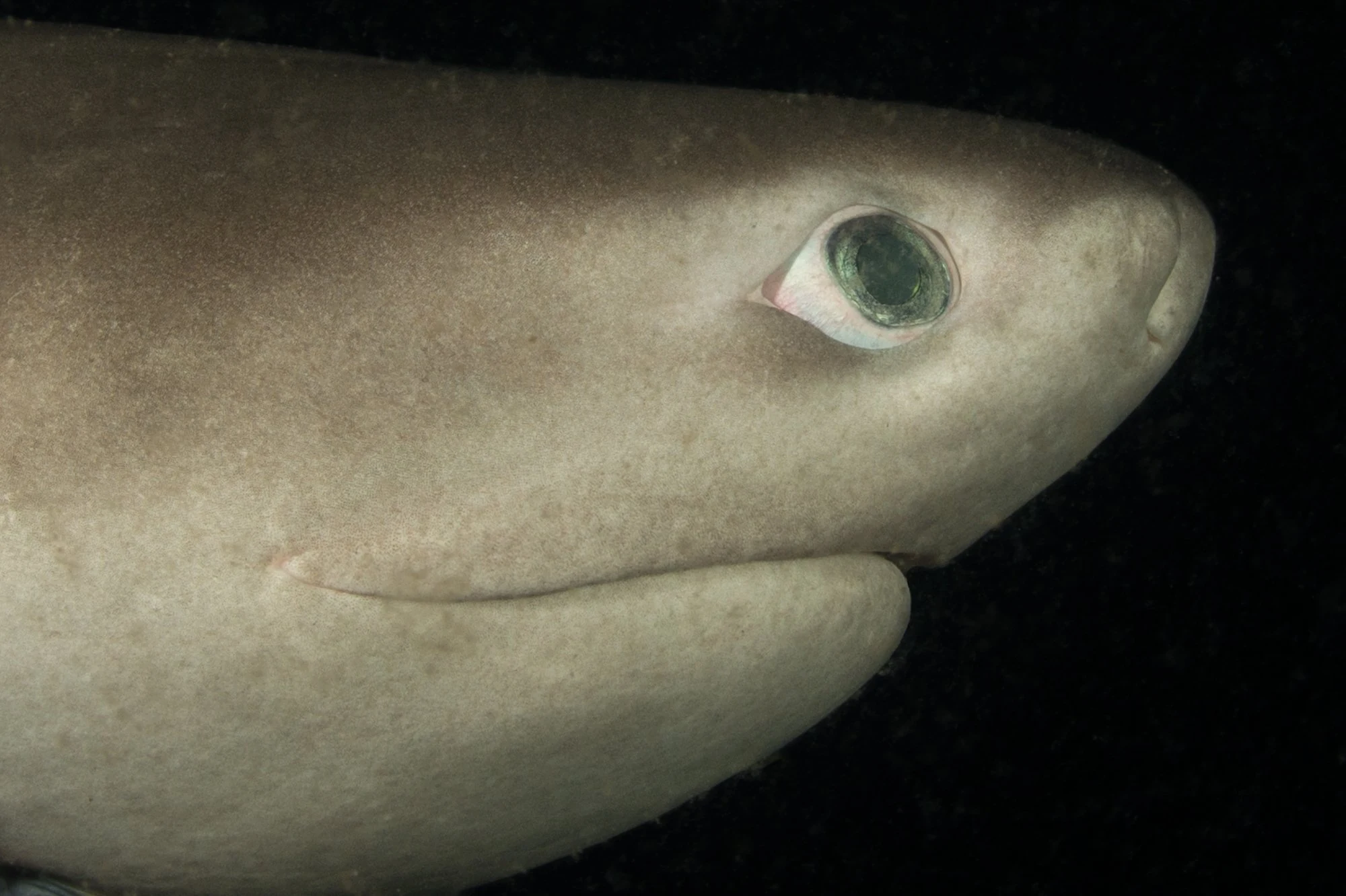
Des Moines was recently named the 'Sixgill Capital of the World,' and this site is the heart of that activity. These sharks are typically seen here from July through August; you can check the latest visibility reports on this page for recent sightings or visit sixgillsharks.org for dedicated research. For more on general marine research happening right here at the site, check out the Highline College MaST Center.
Click a pin to see current, tide, camera, or buoy data near the dive site (you may need to zoom in or out)
Dive site photos
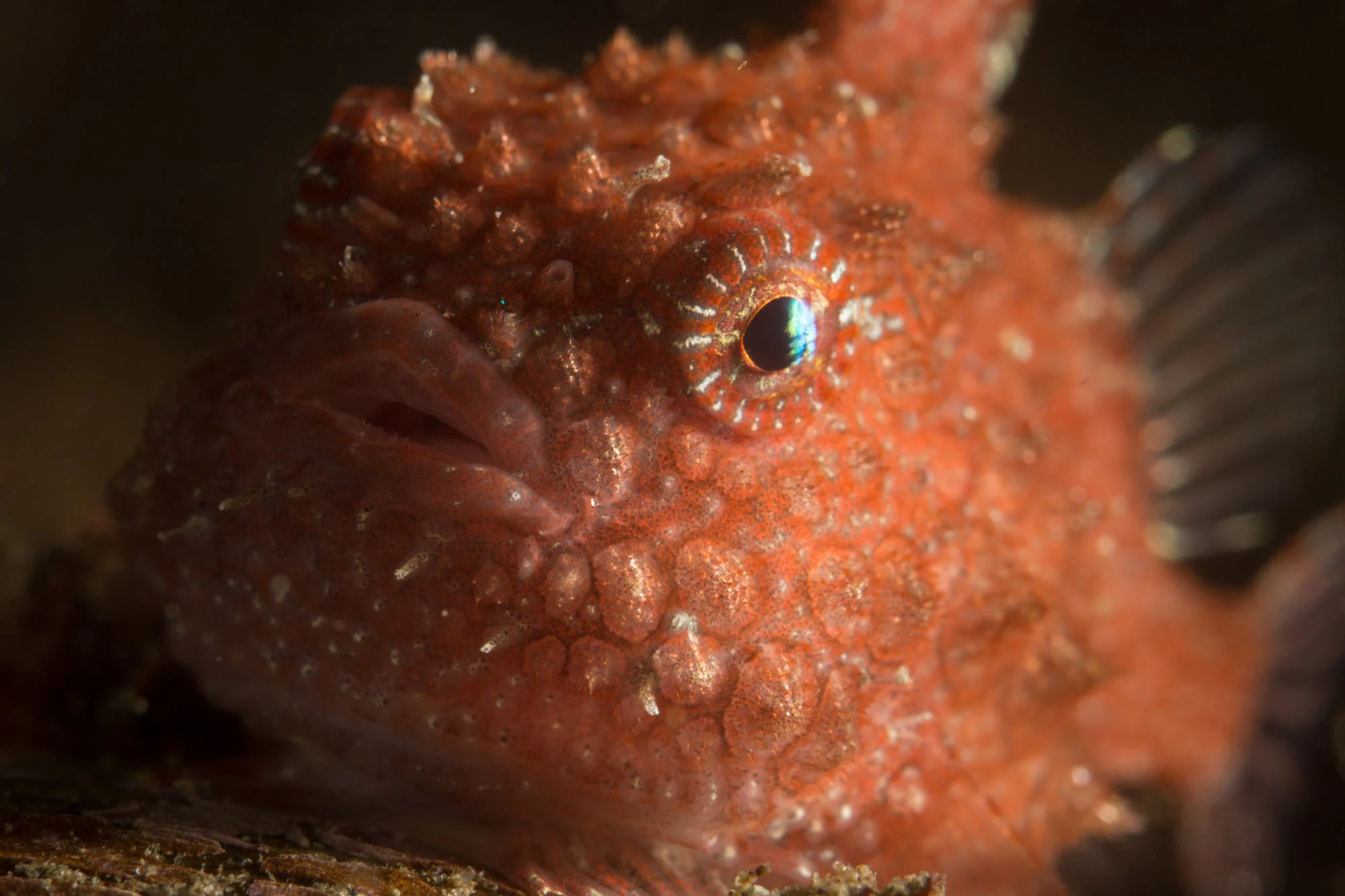
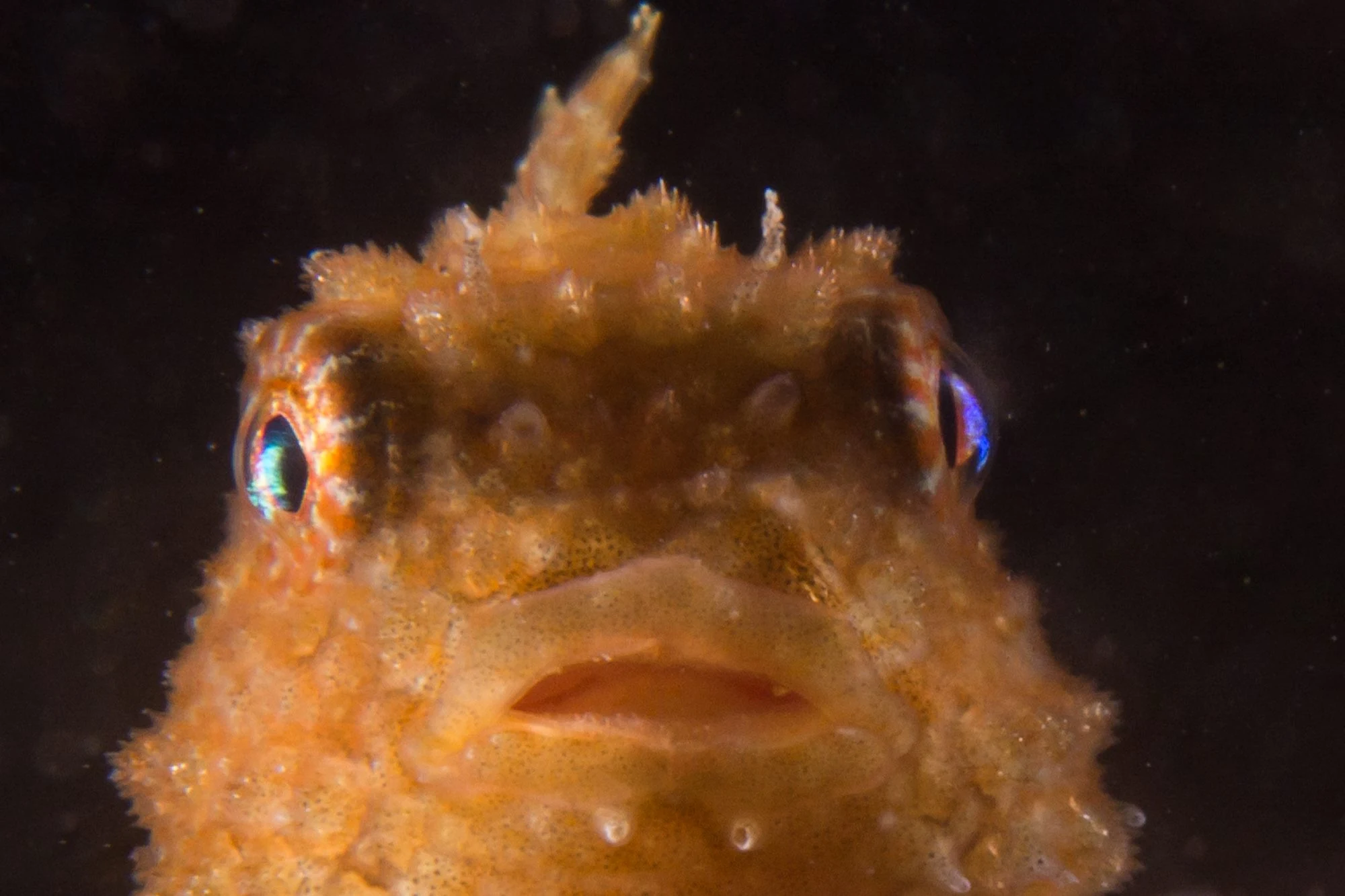
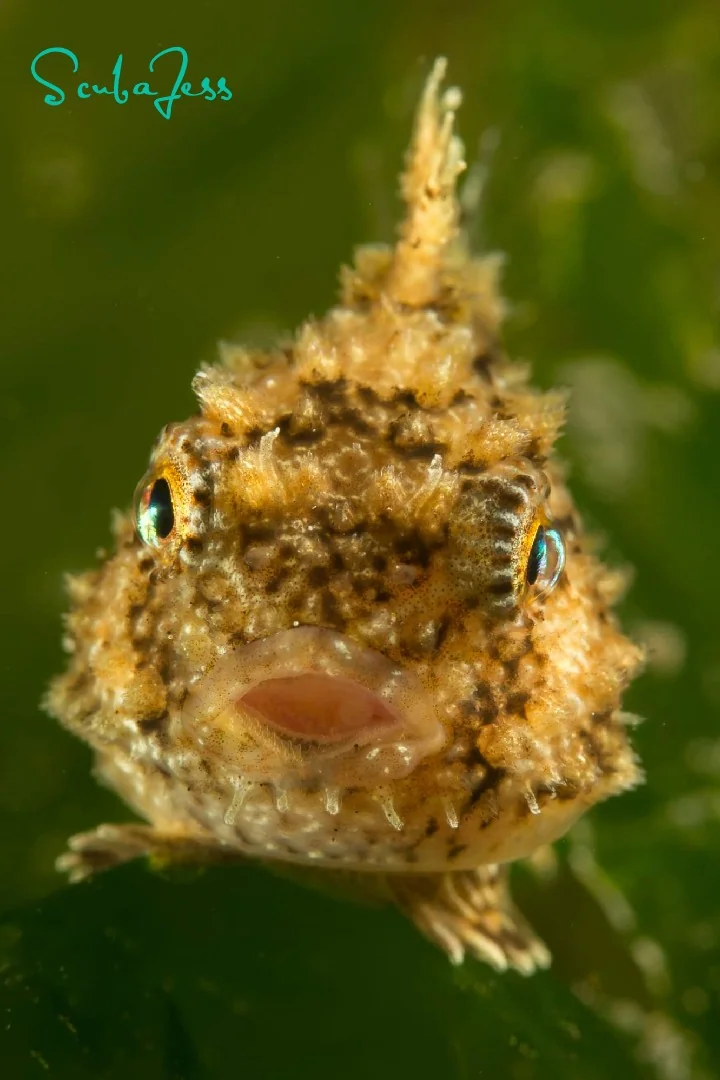
The Pacific spiny lumpsucker is a local favorite which can be found at Redondo Beach. Learn more about these unique fish on our lumpsucker guide. Photo by Eric Askilsrud.
Pacific spiny lumpsucker at Redondo Beach. See our lumpsucker guide. Photo by Eric Askilsrud.
A rare encounter with a Sixgill shark during a Redondo Beach night dive. These deep-sea giants are a highlight of Puget Sound diving. Learn more and report sightings at sixgillsharks.org. Photo by Eric Askilsrud.
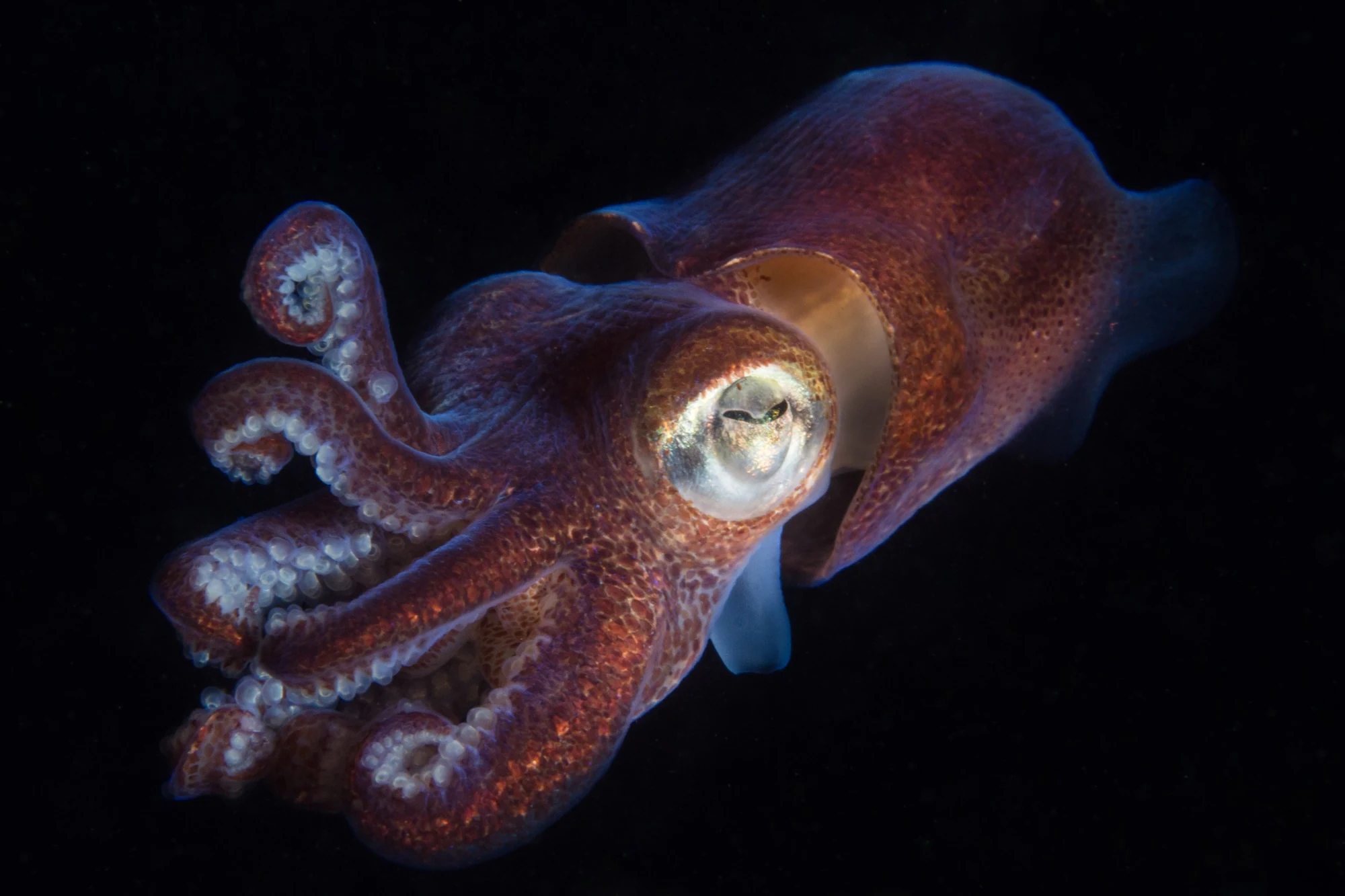
Stubby squid at Redondo Beach. Photo by Eric Askilsrud.
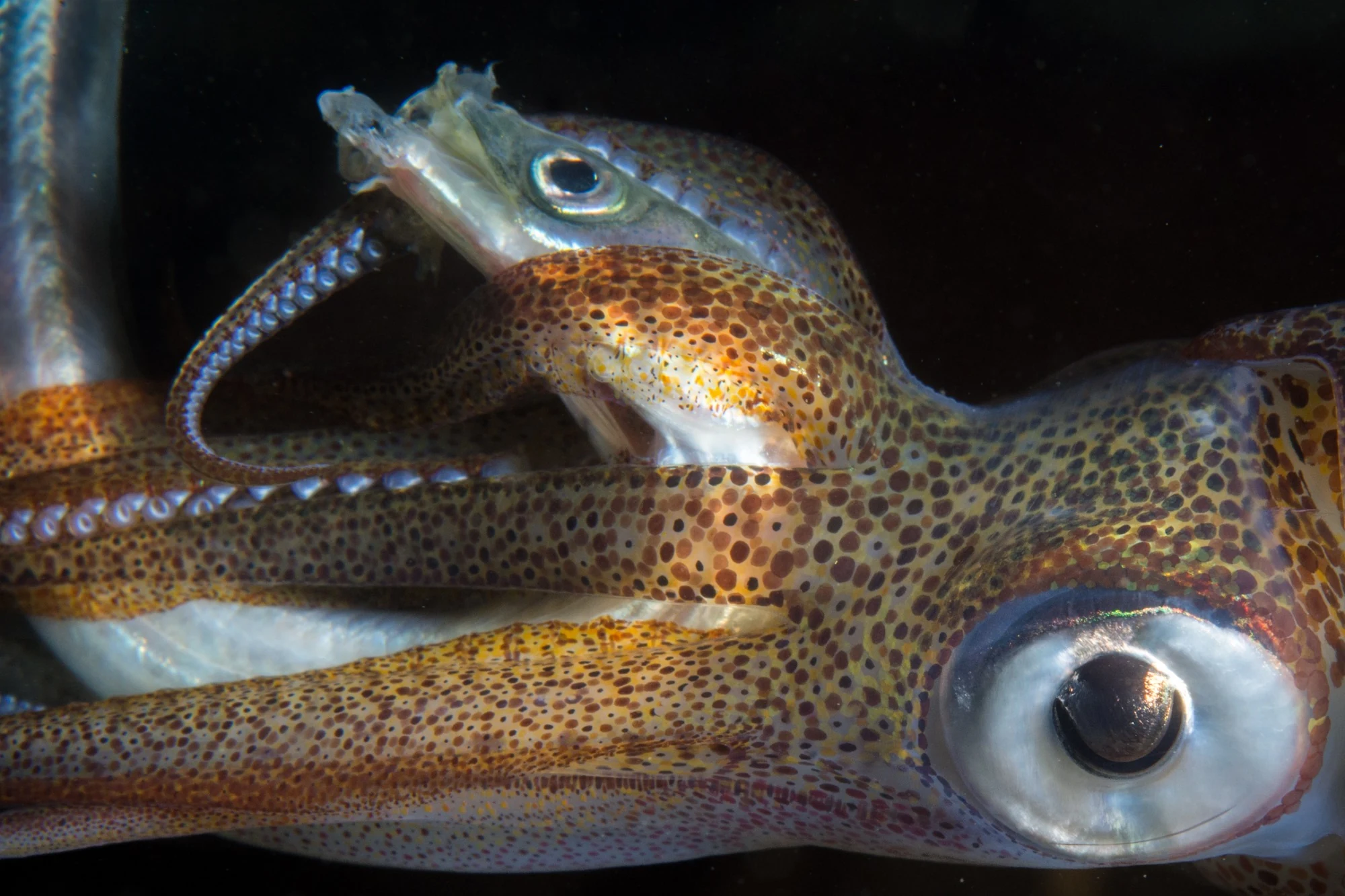
Squid feeding on a sand lance at Redondo Beach. Photo by Eric Askilsrud.
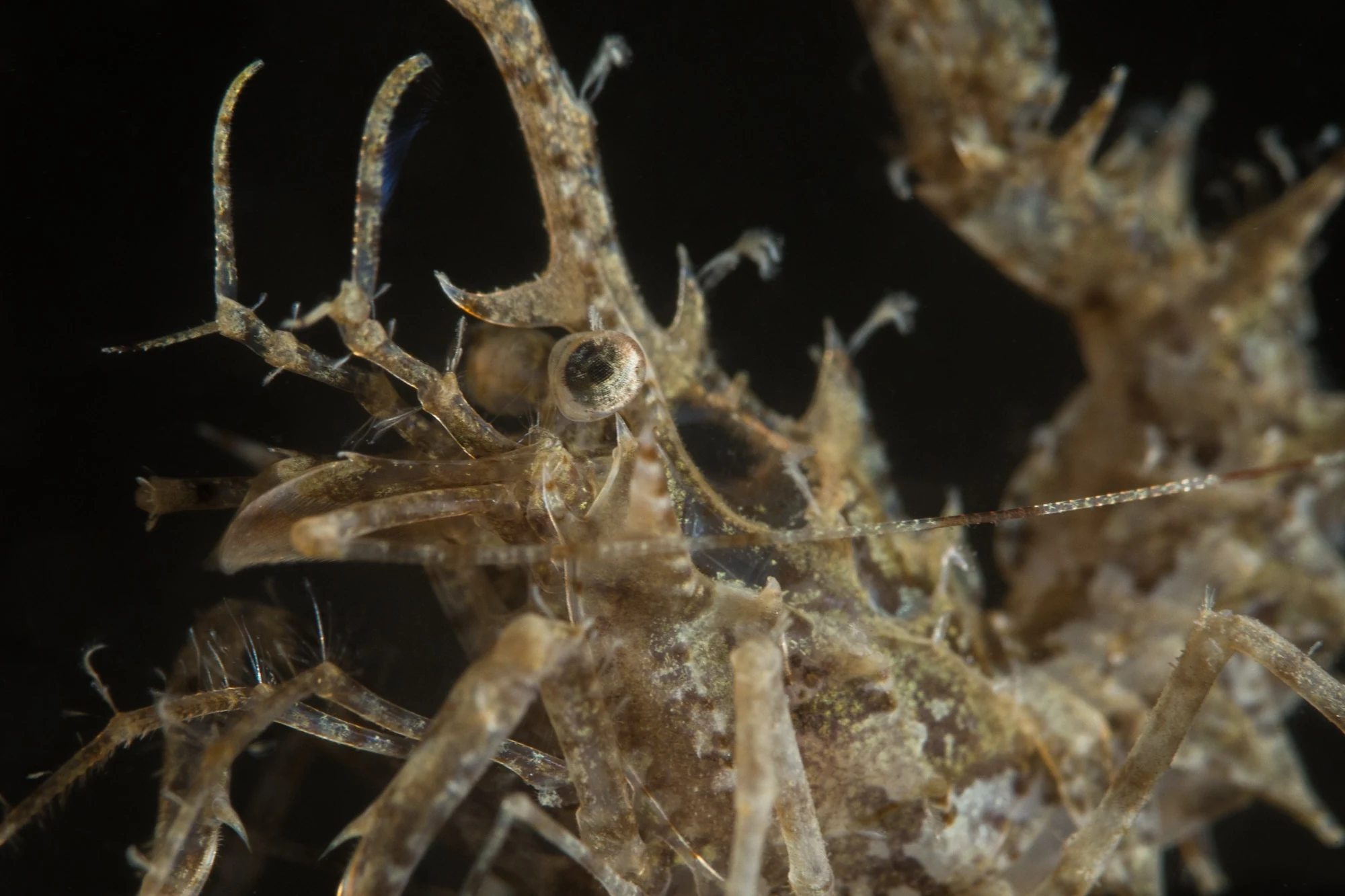
Horned shrimp at Redondo Beach. These shrimp love to live in the muddy deeper areas of the site. Photo by Eric Askilsrud.
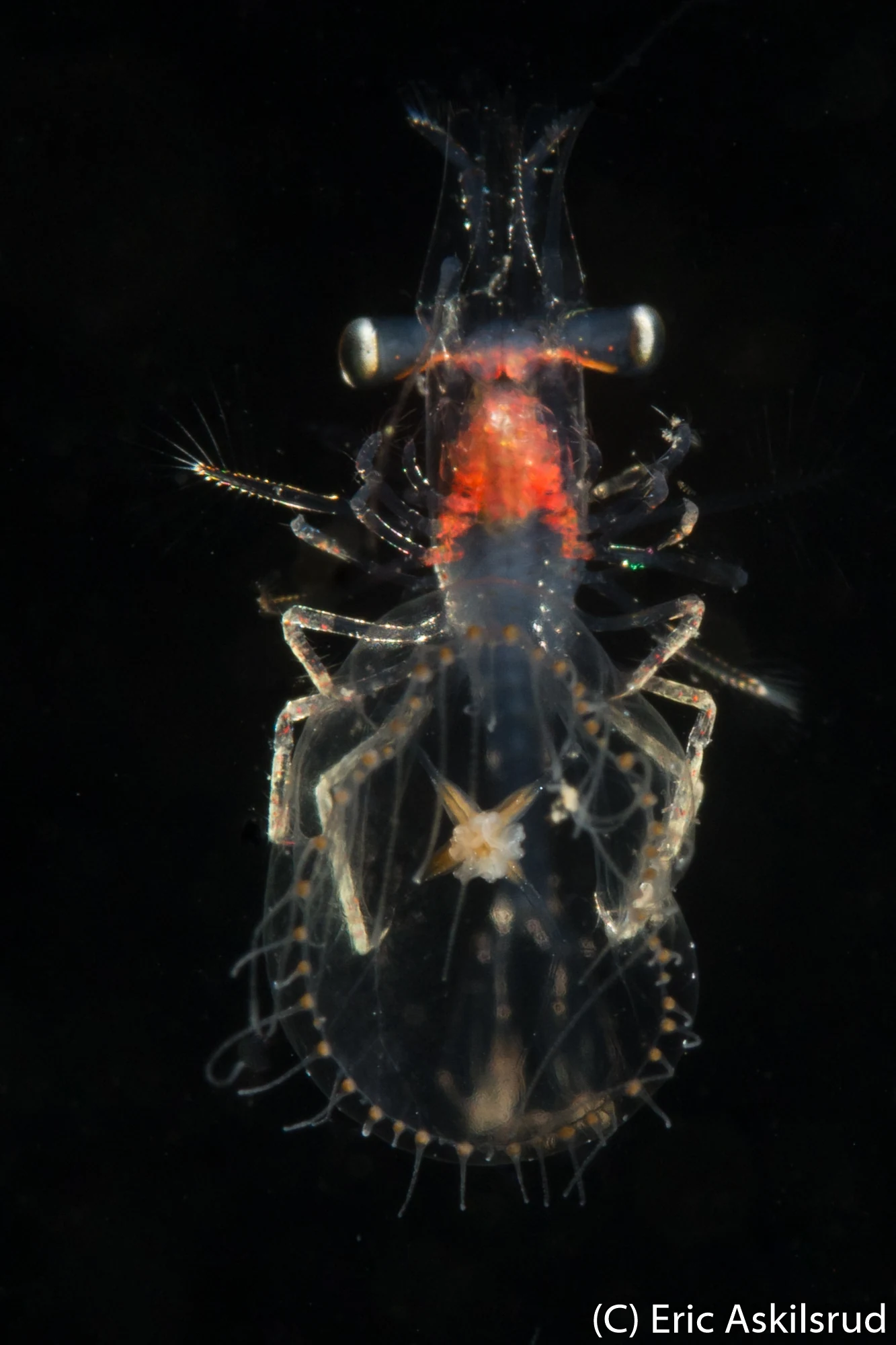
Mysid riding a jelly at Redondo Beach. Photo by Eric Askilsrud.
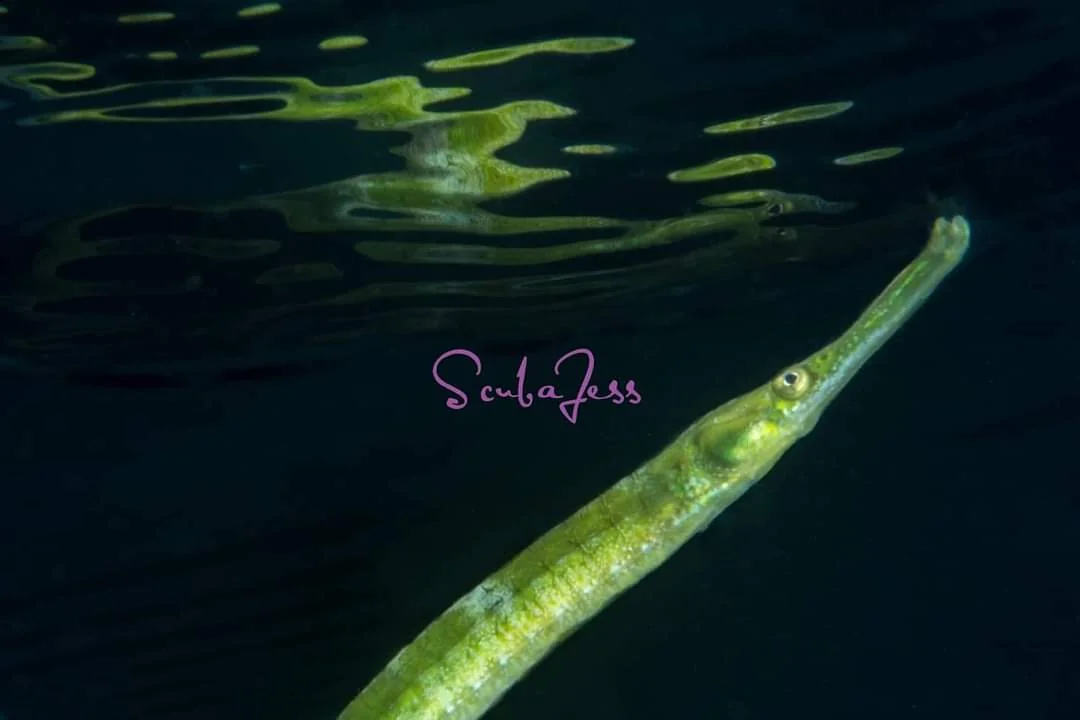
A green bay pipefish gazes at its reflection at the surface at Redondo Beach. Photo by Scuba Jess.
A smiling Pacific spiny lumpsucker at Redondo Beach. Photo by Scuba Jess.
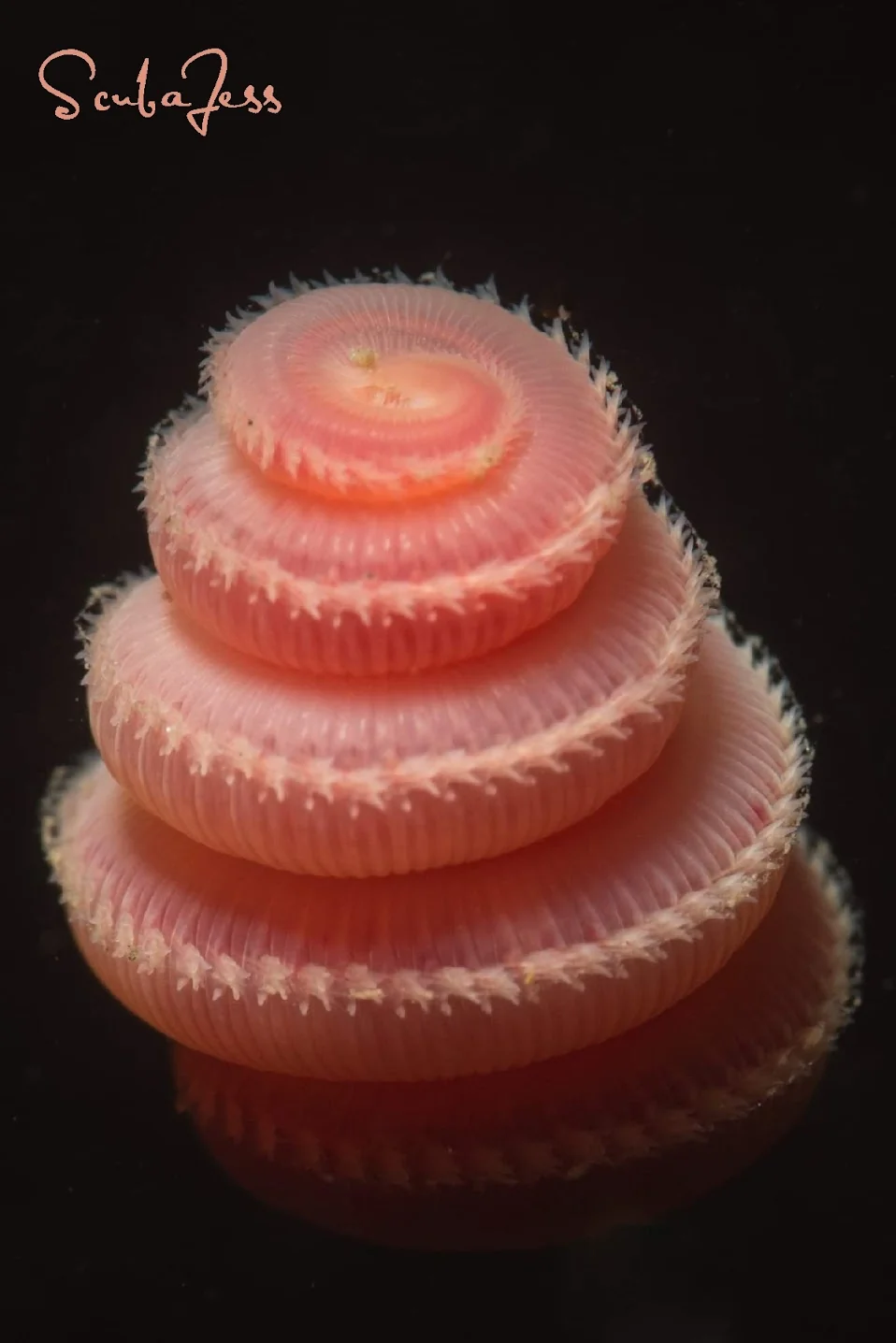
A tiny pink sea worm that looks like a birthday cake at Redondo Beach. Photo by Scuba Jess.
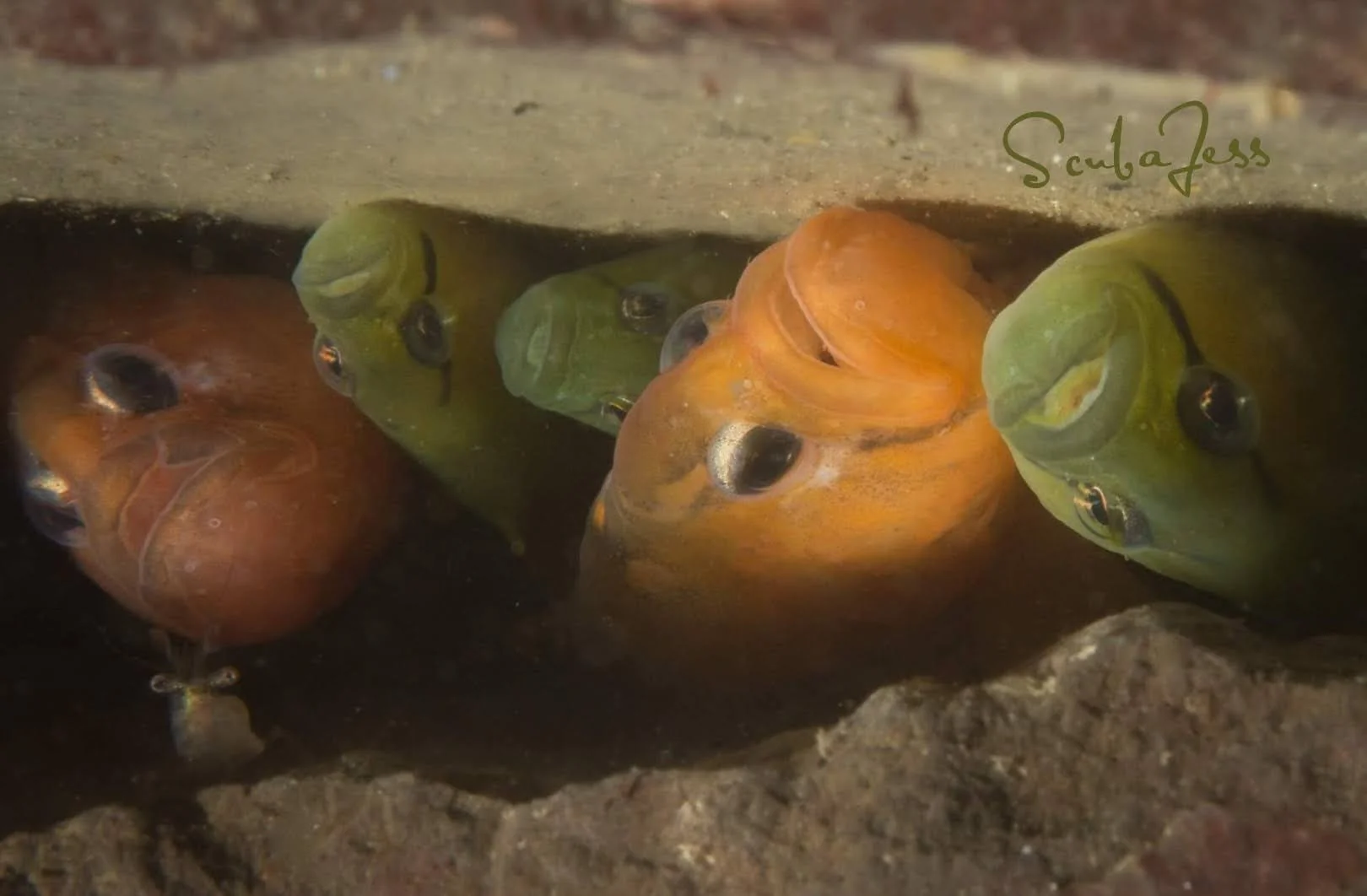
A gunnel family with their pet shrimp at Redondo Beach. Photo by Scuba Jess.
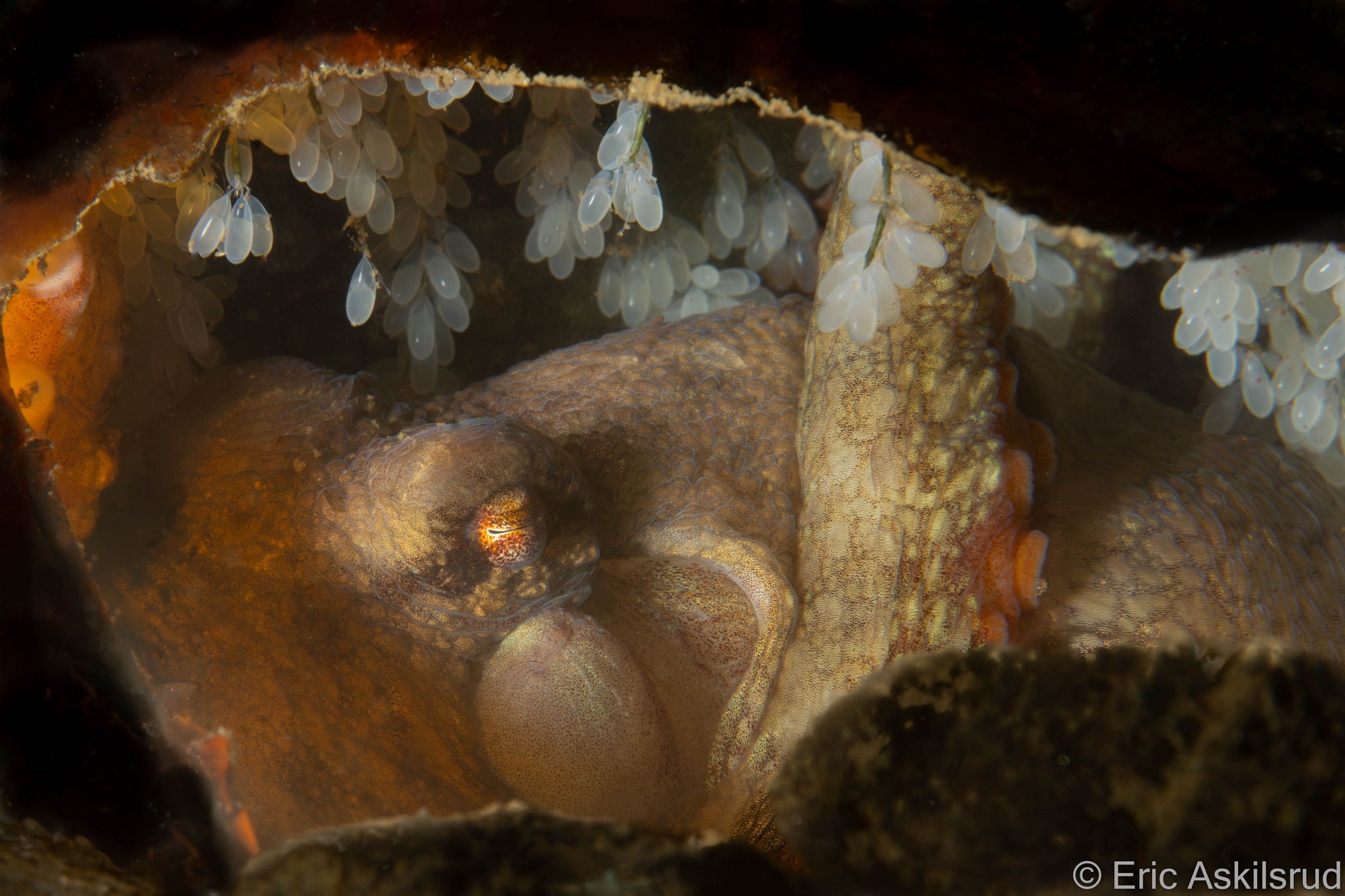
A red ruby octopus on eggs at Redondo Beach, Des Moines. This is a rare sighting! Usually red octos are too buried away to see when on eggs, but this one chose a bad spot to nest. Photo by Eric Askilsrud.
For more dive site scenery—parking, shore entry, and the area around the site—visit our , where we even project a dive flag into the scene at the point of entry!