Site Resources & Tools


Dive planning for Deception Pass
Site Briefing
Site Rating: Extreme Expert
Prerequisites
- Accompanied: Divers new to this site should be accompanied by a site expert.
- Mandatory: Significant prior current experience is required (not just high-current sites at slack).
- Pro Tip: Doing this as a boat dive first is highly recommended.
1) Logistics, Parking & Access
- Parking: North Parking Lot (Deception Pass State Park).
- Seasonal Closure: Lot is typically closed Oct-March. Call the ranger station to verify opening date (usually around March 1st).
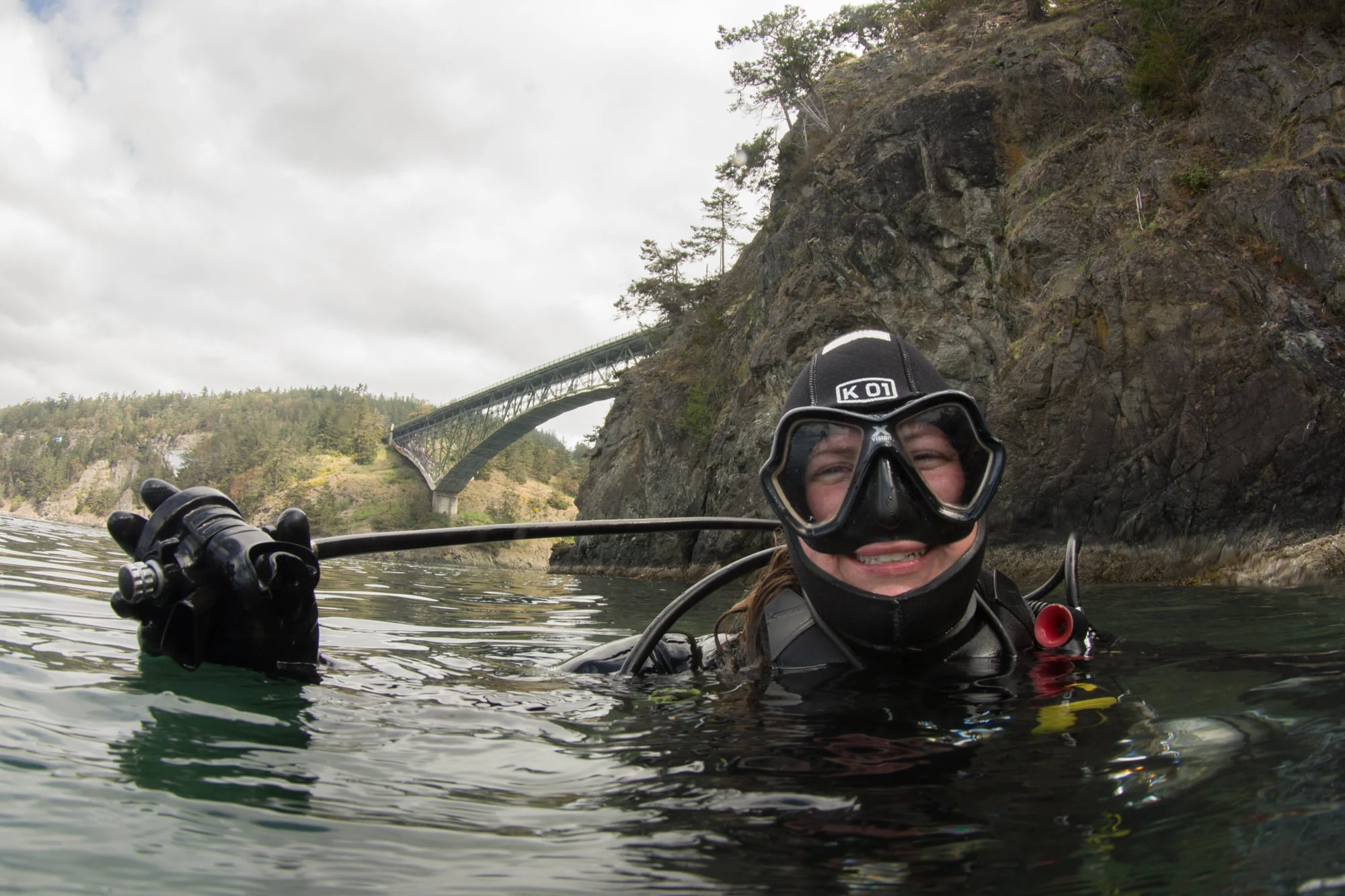
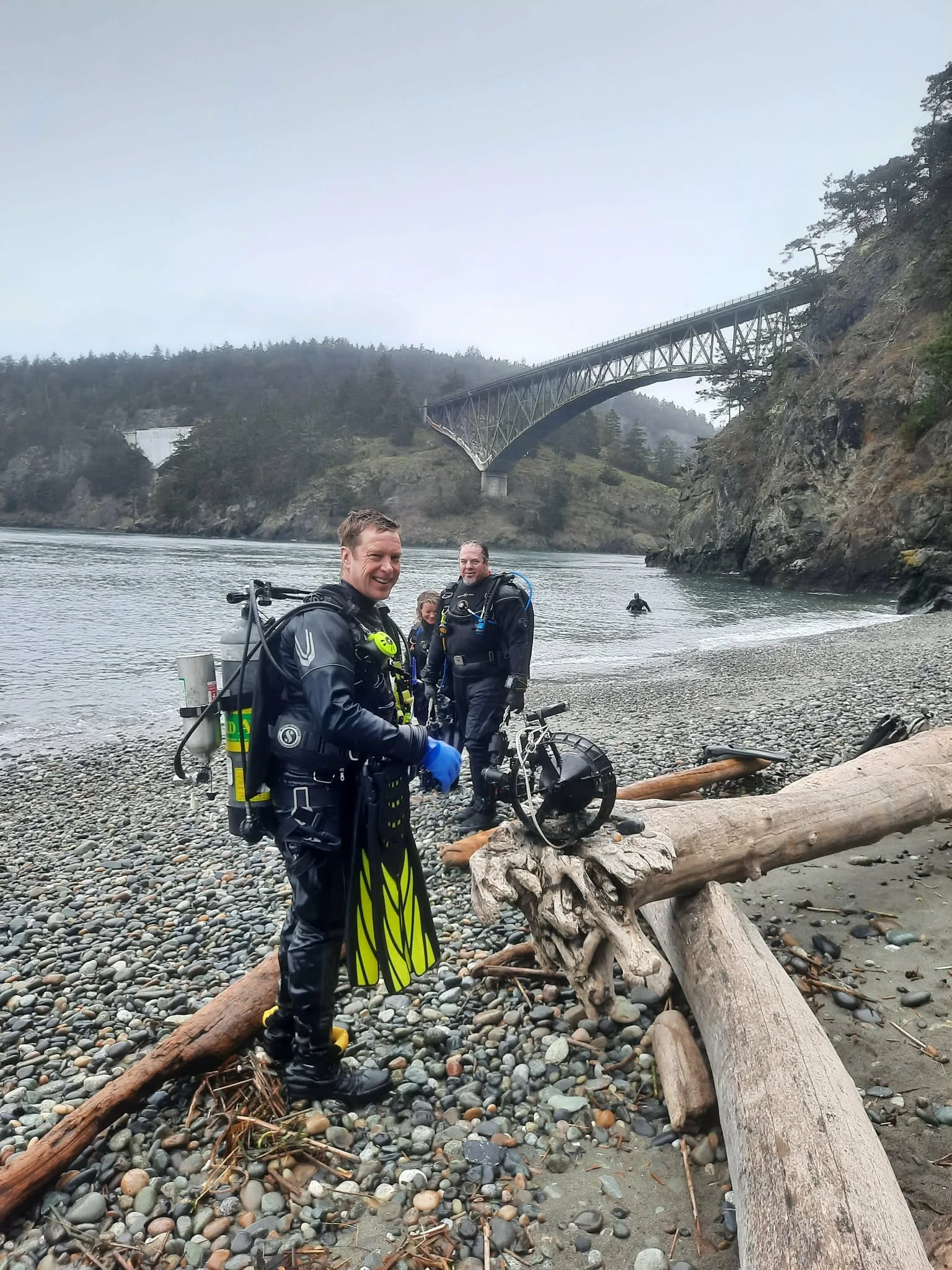
- The Path: Take the established trail from the north lot down to the bridge.
- Warning: Do not scramble down Canoe Pass cliffs.
2) Surface Hazards (Boats & Fishing)
- Boat Traffic: During fishing season, this pass is a major thoroughfare. Expect heavy boat traffic in the channel.
- Shore Fishing: Be hyper-aware of fishing lines in the bay. Shore casting creates entanglement hazards in shallower zones.
3) Conditions & Slack Timing (Go / No-Go)
- Wind: Do not dive on windy days. Wind can make the water hard to read, and waves can grow as ebb moves against wind.
- Slack Prediction (the challenge):
- Data Sources: Consult both XTide and NOAA. Predictions can vary by up to 60 minutes.
- Reality Check: Actual slack is usually +/- 20 minutes from one of those predictions.
- Protocol: Arrive early and confirm visually. Do not gear up solely from charts. Be willing to go home or switch sites if waves build or someone is uncomfortable.
4) Dive Plan & Entry Strategies
Strategy A: "The Subtle Approach"
- Swim out along the wall to the end of the kelp once water has significantly slowed. Even when calm-looking, expect possible backeddy. Swimming slightly away from cliffs can reduce backeddy strength.
- Wait along the wall. Descend only after confirming water has significantly slowed. Be ready to resurface if conditions are wilder below.
- Note: With Approach A, avoid going much farther than the first small wall near the point. Going too far often hits upwelling.
Strategy B: "The Bypass Approach" (Advanced)
- Wait for water to slow, then proceed on surface near the point.
- Pass the point on surface only when conditions allow.
- Staging: Once past point, wait in kelp on the surface before the bridge.
- Move: When upwelling and standing waves have lessened significantly, float under bridge.
- Critical Maneuver: As you pass the bridge support, do a quick swim back to the wall to escape upwelling.
- Wait: Hold position along the wall until upwelling dissipates.
- Trial Descents: Descend to ~15 ft to test conditions. If too turbulent, return to surface and wait.
5) Critical Hazards & Safety
- No Quick Exit: A rapid return to shore is not viable; once in the flow, you are committed.
- Vertical Currents: Powerful upwelling/downwelling occurs in consistent areas. Ask your experienced buddy to identify these spots.
- "Wave Pool" Effect: If waves pick up, stay away from cliffs. Turbulence is strongest against the wall.
- Back Eddy: A massive back eddy forms near the entrance as ebb increases. Do not overstay or you may be pushed away from exit.
- Gas Management: Reserve extra gas to fight potential back eddy.
- Differential Slack: Water under the bridge slacks at a different time than the bay.
⚠️ Before diving at Deception Pass, always check the site-specific wind/wave forecast, tide/currents, and recent reports (latest: Jul 7, 2026) !
Nearby Stations
7/8/26
NOAA Current XTide Current NOAA Tides Deception Pass
Click a pin to see current, tide, camera, or buoy data near the dive site (you may need to zoom in or out)
Nearby Sites
- Rosario Beach (~1 miles)
- Northwest Island (~2 miles)
- Sares Head (~2 miles)
- SS Bunker Hill Bow (~5 miles)
- SS Bunker Hill Stern (~5 miles)